Carlos Scola Pliego: The Film-Maker Whose Work Goes Beyond Fame
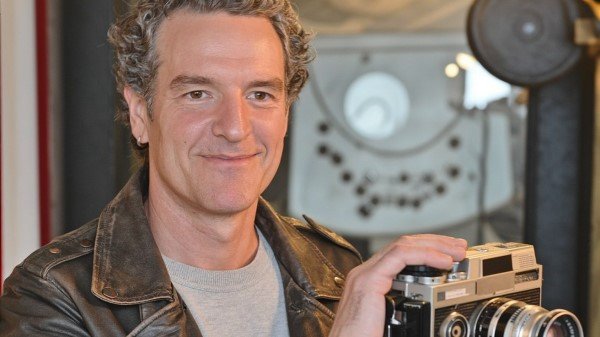
Carlos Scola Pliego is a Spanish film-maker who worked behind the camera in television, drama, documentary work, and international productions. He became better known because of his marriage to singer Sade Adu, but his own career rests on film work. His credits include assistant direction, directing, writing, producing, and additional crew duties.
He has kept most private details away from the media. His date of birth, education, family, current home, and present work have not been confirmed by strong sources. For that reason, the clearest account of his life should focus on the work connected with his name and the known dates of his marriage.
Carlos Scola Pliego and His Film Career
Carlos Scola Pliego used Carlos Scola as a screen name. His film work required organisation, patience, and clear communication. A production needs many people to work together: actors, camera crews, lighting teams, designers, drivers, and location staff. Good planning keeps all of these parts moving.
His career included roles that are often missed by the wider public. Yet these jobs matter greatly. A film can only be completed when the people behind the camera manage time, movement, safety, and practical details well.
Carlos Scola Pliego as an Assistant Director
An assistant director helps turn a director’s plan into a working day. The job can include setting call times, preparing actors, guiding crew movement, checking that locations are ready, and helping each scene begin on time.
In 1985, he worked as assistant director for the Spanish unit on the television mini-series Christopher Columbus. This was a large production with many cast members and complex settings. He also had an assistant director credit on the 1985 drama Eleni. Both projects gave him experience in the careful, practical side of cinema.
Carlos Scola Pliego and Behind-the-Camera Skills
This role is more than simple support. Before filming begins, the assistant director helps the unit know what should happen next. The work calls for calm judgement and a clear head when plans change.
His early credits show a film-maker who understood how a set works. That experience later supported his own work as a director and producer.
Carlos Scola Pliego as Director, Writer, and Producer
He moved beyond crew work when he directed Ngira: Gorilas en la montaña, a short film released in 1988. He also received writer and producer credits for the project. Holding these roles shows close involvement from the early idea to the finished film.
The work focuses on mountain gorillas and their environment. Nature film-making brings special demands because a crew cannot control wildlife, weather, light, or the movement of a natural setting. It needs patience and respect for the subject.
Carlos Scola Pliego and Ngira: Gorilas en la montaña
The 25-minute film takes its title from gorillas in the mountains. It stands apart from studio drama because its subject is the natural world. A project of this kind depends on careful observation. Images, sound, and place must carry the story without forcing it.
The film also shows an interest in work that goes beyond a standard commercial drama. He took responsibility for the direction, writing, and production, which made his role central to the project.
Donde termina el corazón
In 1989, he directed Donde termina el corazón. The film follows a view of Africa, from Pygmy communities in the Ituri Forest to the suburbs of Nairobi. The title can be translated as “Where the Heart Ends”.
Full details about the making of the film are not available. Still, its subject points to an interest in real places and people. It continued his work with material that needed care, time, and a thoughtful approach.
Later Work in Film
A later credit connected him with Goal II: Living the Dream, released in 2007, where he worked as additional crew. The football drama had an international setting. This credit shows that his work in film continued well after his early projects.
Carlos Scola Pliego and Sade Adu
Carlos Scola Pliego married Sade Adu in 1989. By then, Sade was already known worldwide as a singer and songwriter. Her music had built a large following through calm vocals, soul, and careful writing.
Their marriage brought attention, but they kept their private life quiet. Sade moved from London to Madrid after the marriage. The relationship ended, and their divorce was completed in 1995.
A Private Relationship
The full reasons for the separation were not shared by either person. In a later interview, Sade described the end of the relationship as a very painful time. She did not turn the experience into a public dispute.
It is important not to repeat unsupported stories about blame, money, or private arguments. The relationship is part of his story, but it does not replace his own work in cinema.
Carlos Scola Pliego and the Book Salvador
A Spanish-language book, Salvador: un apunte de filosofía sencilla, was published in 2004 under the name Carlos Scola Pliego. Biblioteca Nueva published the book, which has 436 pages. It discusses personal freedom, moral freedom, and social or political freedom.
The author’s name matches the full name used in his screen credits. Yet the available material does not firmly prove that the writer and the film professional are the same man. The book should therefore be mentioned with care, not treated as a confirmed part of his film career.
Themes of the Book
The book examines life, freedom, and the choices people make. It was written in Spanish and published in Spain. Its subject is serious, but the title presents philosophy in a simple and direct way.
This work adds interest to the full name used in his screen credits. However, a shared name is not enough to join two careers as one. Good biography writing separates clear facts from claims that need more proof.
Private Details and False Claims
There is no confirmed record of his exact age, date of birth, parents, education, income, net worth, height, faith, or current home. Claims about these subjects should be treated with care.
Privacy does not reduce the value of his work. It means the best account of his life must stay honest. His strongest known achievements are his screen credits, his marriage to Sade, and the book that carries his full name.
Conclusion
Carlos Scola Pliego built his career through the demanding work of cinema. He supported productions as an assistant director, then took on directing, writing, producing, and crew duties. His work includes Christopher Columbus, Eleni, Ngira: Gorilas en la montaña, Donde termina el corazón, and Goal II: Living the Dream.
His marriage to Sade Adu brought wider attention, but it is only one part of the story. His lasting value lies in film work that required skill, discipline, and steady effort.
FAQs
Who is Carlos Scola Pliego?
He is a Spanish film-maker known for assistant direction, directing, writing, producing, and additional crew work. He was married to singer Sade Adu.
What films did Carlos Scola Pliego work on?
His known credits include Christopher Columbus, Eleni, Ngira: Gorilas en la montaña, Donde termina el corazón, and Goal II: Living the Dream.
When did Carlos Scola Pliego marry Sade Adu?
He married Sade in 1989. Their divorce was completed in 1995.
What is Carlos Scola Pliego doing now?
His present work and location have not been shared through reliable sources. He has kept his personal life private. Film credits, including Christopher Columbus, Ngira: Gorilas en la montaña, Donde termina el corazón, and Goal II: Living the Dream, are supported by screen-industry records.
The 1989 marriage and 1995 divorce timeline, plus Sade’s move to Madrid and later comments on the separation, are supported by IMDb and The Fader. The book Salvador: un apunte de filosofía sencilla was published by Biblioteca Nueva in 2004 and carries Carlos Scola Pliego as author; the available book record does not prove that its author is the same person as the film-maker.