Andy Coulson: The Career, Conviction and Return to Communications
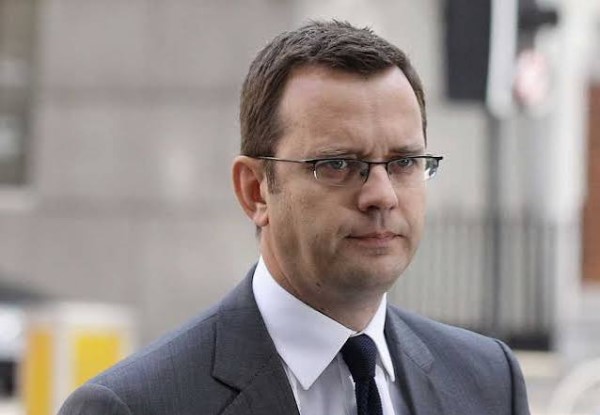
Andy Coulson is a British former newspaper editor and political communications adviser. He became well known through his work at the News of the World and later as Director of Communications for Prime Minister David Cameron. His career brought major success, public influence and serious controversy. The phone-hacking scandal changed the course of his professional life and made him one of the most discussed figures in modern British media.
Andy Coulson’s Early Life and Journalism Career
Andy Coulson was born in 1968 in England. He began his career in local journalism, where he learned how newspapers work at a practical level. Local reporting required him to find stories, meet tight deadlines and write in a direct style that ordinary people could understand. These early skills helped him move into national newspapers.
He later joined The Sun, one of Britain’s best-known tabloid newspapers. At The Sun, he worked in showbusiness journalism and became involved in the paper’s popular entertainment coverage. He also spent time at the Daily Mail before returning to The Sun. His newsroom experience helped him gain a strong reputation as a determined and effective editor.
Andy Coulson’s Rise at The Sun
At The Sun, Andy Coulson worked with stories about celebrities, television, music and public life. Tabloid journalism is highly competitive, and editors must make quick decisions every day. They must choose stories that will interest the public while managing a large team of writers, photographers and news staff.
Coulson developed strong media skills during this period. He learned how to manage headlines, public reaction and newspaper campaigns. These abilities later helped him move into senior roles within the British press.
Andy Coulson at the News of the World
Andy Coulson joined the News of the World and became deputy editor in 2000. The newspaper was one of the largest-selling Sunday papers in Britain. It was known for celebrity stories, sport, investigations and major exclusives.
In 2003, he became editor of the newspaper. As editor, he had major responsibility for the paper’s direction, staff and standards. The role gave him power within the British media industry. He worked in a fast-moving environment where newspapers competed strongly for the biggest stories.
Andy Coulson and the Phone-Hacking Scandal
The most serious part of Andy Coulson’s career was connected to the phone-hacking scandal. Phone hacking involved accessing private voicemail messages without permission. This practice was illegal and caused deep concern across the country.
In 2006, police investigated the interception of voicemail messages linked to members of the royal household. The following year, News of the World royal editor Clive Goodman and private investigator Glenn Mulcaire were convicted for their roles in the case.
Andy Coulson resigned as editor in January 2007. He accepted responsibility for what had happened during his time in charge of the newspaper but denied knowing about phone hacking at that stage. The issue later grew into a major national scandal involving journalists, police officers, politicians and media companies.
The Closure of the News of the World
The phone-hacking scandal led to serious damage for the News of the World. In 2011, further allegations showed that voicemail messages of many people may have been accessed without permission. The claims included victims of crime, celebrities, public figures and families affected by tragic events.
Public anger became intense. The newspaper closed in July 2011 after 168 years in print. Its closure became one of the biggest moments in British newspaper history. The scandal also led to public inquiries and major debate about press standards, privacy and accountability.
Andy Coulson’s Role in Conservative Politics
After leaving the News of the World, Andy Coulson moved into politics. In July 2007, he became Director of Communications for the Conservative Party. David Cameron was then Leader of the Opposition, and Coulson was brought in to help improve the party’s relationship with newspapers and broadcasters.
The appointment caused criticism because of the earlier phone-hacking case. Even so, Coulson became a key member of Cameron’s communications team. He helped shape public messages, prepare responses to difficult stories and manage the party’s media strategy.
Andy Coulson at Downing Street
When David Cameron became Prime Minister in May 2010, Andy Coulson joined the Downing Street team as Director of Communications. This was one of the most important communication jobs in British politics.
His role involved helping the Prime Minister explain government decisions to the public. He also worked with journalists and advisers during major political events. The position required trust, discipline and the ability to deal with pressure.
However, the phone-hacking issue continued to follow him. As further claims came to light, the pressure on him increased. In January 2011, he resigned from Downing Street. He said that the continuing attention on the case was making it difficult for him to carry out his work properly.
Andy Coulson’s Trial and Conviction
The phone-hacking investigation later led to a major criminal trial at the Old Bailey. In June 2014, Andy Coulson was found guilty of conspiracy to intercept voicemail messages. The case focused on illegal phone hacking during his time at the News of the World.
In July 2014, he was sentenced to 18 months in prison. The conviction was a serious turning point in his life. It showed that editors can face legal consequences when criminal behaviour takes place inside a newsroom under their leadership.
He served less than five months in prison before being released under home detention curfew rules. After leaving prison, he faced the difficult task of rebuilding his professional and personal life.
Andy Coulson and the Perjury Case
Andy Coulson also faced a separate court case in Scotland linked to evidence given during the Tommy Sheridan trial. He was accused of perjury, but the case did not result in a conviction.
In June 2015, a judge ruled that there was no case to answer, and Coulson was cleared. This ended a separate legal chapter, although it did not change his conviction for phone hacking.
Andy Coulson’s Work After Prison
After his release, Andy Coulson returned to communications work. He founded Coulson Partners, a communications and advisory firm. The company works with business leaders, senior executives and public figures who need help with strategy, reputation and difficult public situations.
His work draws on many years of experience in journalism, politics and crisis management. He understands how quickly a story can damage a reputation and how important it is to respond with care and honesty.
Coulson Partners focuses on helping leaders handle pressure, protect trust and communicate clearly. Andy Coulson remains the founder of the firm and works as an adviser to leaders in global business.
Andy Coulson and Crisis What Crisis?
Andy Coulson also became connected with the Crisis What Crisis? podcast. The programme features conversations with people who have faced serious personal or professional setbacks. Guests discuss difficult periods in their lives, the choices they made and how they moved forward.
The podcast reflects a major theme in Coulson’s own life: recovery after failure. His career has included success at the top of British media and politics, followed by a public fall and a return to professional life in a different role.
Andy Coulson’s Legacy in British Media
Andy Coulson remains an important figure in discussions about British newspapers, political communications and media ethics. His career shows how powerful editors can become when they move from journalism into politics.
It also shows the dangers of ignoring ethical standards. The phone-hacking scandal damaged public trust in parts of the British press. It led to questions about how newspapers gather stories, how editors control their teams and how politicians choose senior advisers.
Lessons from Andy Coulson’s Career
The story of Andy Coulson teaches several important lessons. First, leadership brings responsibility. A senior editor must set clear standards and ensure that staff act within the law. Second, reputation can change very quickly when trust is broken. Finally, rebuilding after a serious failure is possible, but it requires patience and hard work.
Andy Coulson’s career has been shaped by ambition, influence, controversy and recovery. From local journalism to Downing Street, and from prison to business advice, his journey remains one of the most striking stories in recent British media history.
FAQs
1. Who is Andy Coulson?
Andy Coulson is a British former newspaper editor, political communications adviser and business consultant. He is known for editing the News of the World and serving as Director of Communications for Prime Minister David Cameron.
2. What newspaper did Andy Coulson edit?
Andy Coulson was editor of the News of the World from 2003 until January 2007. The Sunday newspaper was one of Britain’s most popular tabloid titles before it closed in 2011.
3. Why did Andy Coulson leave Downing Street?
Andy Coulson resigned from Downing Street in January 2011. He said the continued attention surrounding the phone-hacking scandal was making it difficult for him to carry out his role as Director of Communications.
4. Was Andy Coulson convicted in the phone-hacking case?
Yes. In June 2014, Andy Coulson was found guilty of conspiracy to intercept voicemail messages during his time as editor of the News of the World. He received an 18-month prison sentence in July 2014.
5. What does Andy Coulson do now?
Andy Coulson runs Coulson Partners, a communications consultancy that provides strategic advice, reputation support and crisis management for business leaders and organisations. He is also connected with the Crisis What Crisis? podcast.