Harlene Rosen: The Untold Story of Woody Allen’s First Wife and Her Quiet Strength
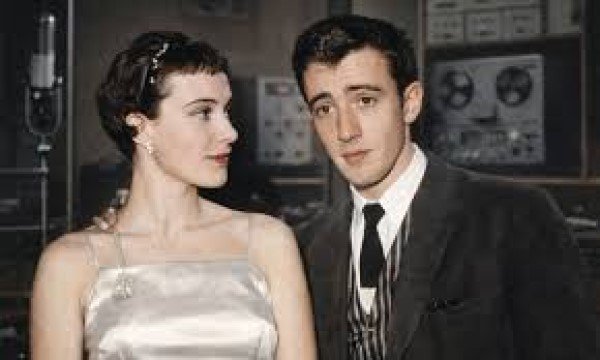
Introduction
The name “harlene rosen” often appears in discussions about the early life of Woody Allen, yet her own story remains largely untold. While many remember her only as Allen’s first wife, Harlene Rosen’s life extends far beyond that brief and highly publicised chapter. Her journey reflects a blend of artistic passion, personal resilience, and a deliberate choice to step away from fame.
This article explores her early life, marriage, challenges, and the remarkable strength she displayed in reclaiming her privacy and identity.
Early Life and Background
A Quiet Beginning
Harlene Rosen was born on 30 November 1939 in the United States, commonly associated with Brooklyn, New York. Raised in a modest household, she grew up in an environment that valued both education and artistic expression.
From an early age, Rosen showed a strong inclination towards music. The piano became her primary instrument, and she developed considerable skill as a pianist. This artistic foundation would later play a role in her connection with Woody Allen.
Love for Music
Unlike many individuals linked to celebrities, Rosen had her own creative identity. Music was not merely a hobby; it was a meaningful part of her life. Her dedication to the piano reflected discipline and emotional depth—qualities that would shape her personality in the years to come.
A Teenage Marriage That Drew Public Attention
Meeting Woody Allen
Harlene Rosen met Woody Allen during their teenage years. Their relationship developed quickly, and in 1956, Rosen married Allen at just 17 years old, while he was 20.
At the time, Allen was not yet the global figure he would become. He was an aspiring comedian and writer, working hard to establish himself in the entertainment industry.
Life as a Young Couple
Their marriage was unconventional in many ways. Rosen supported Allen during his early career, even contributing musically by playing piano in his jazz band. This period reflected a partnership rooted in shared creativity, albeit under the pressures of youth and ambition.
However, the challenges of early fame and personal differences soon began to strain their relationship.
The Struggles Behind the Marriage
Fame and Its Impact
As Woody Allen’s career began to gain traction, the dynamics of their marriage shifted. Public attention, professional demands, and evolving personal goals created distance between them.
For a young woman like Rosen, navigating a relationship under increasing public scrutiny was far from easy. The balance between private life and public exposure became difficult to maintain.
Emotional and Personal Differences
Beyond fame, the couple faced deeper compatibility issues. Their personalities and life expectations began to diverge. While Allen pursued a rapidly growing career in entertainment, Rosen seemed to value stability and privacy.
These differences ultimately led to the breakdown of their marriage.
Divorce and Public Controversy
The End of the Marriage
By the early 1960s, Harlene Rosen and Woody Allen divorced. Although the marriage was relatively short-lived, its aftermath would leave a lasting impact on Rosen’s life.
Public Humiliation
Following the divorce, Allen referenced Rosen in his stand-up comedy routines, referring to her as “The Dread Mrs. Allen.” While such humour may have been accepted within the comedy world, it came at a personal cost.
For Rosen, being publicly ridiculed was deeply hurtful. What might have been entertainment for audiences became a source of emotional distress for her.
Legal Action
Reports suggest that Rosen took legal action against Allen for defamation. This move highlighted her determination to defend her dignity and challenge the public narrative that had been created at her expense.
At a time when women’s voices were often overlooked, this step demonstrated courage and self-respect.
Choosing Privacy Over Fame
Stepping Away from the Spotlight
After her divorce and the surrounding controversy, Harlene Rosen made a conscious decision: she withdrew entirely from public life.
Unlike many individuals connected to celebrities who continue to seek attention, Rosen chose the opposite path. She avoided media appearances, interviews, and public discussions about her past.
A Life Lived Quietly
For decades, very little was known about her personal life. This absence from the public eye was not accidental—it was intentional.
Rosen’s decision reflects a powerful statement: not all stories need to be lived in the spotlight. In an age where fame is often pursued relentlessly, her quiet retreat stands out as both rare and admirable.
A Brief Return to Public Awareness
Breaking Decades of Silence
In 2015, Harlene Rosen briefly re-entered public awareness when she made a rare statement acknowledging Woody Allen on his 80th birthday.
This moment was significant, not because it reignited controversy, but because it demonstrated closure. After decades of silence, her words suggested a sense of peace and emotional resolution.
A Gesture of Grace
Rather than revisiting past conflicts, Rosen’s acknowledgement was measured and respectful. It reflected maturity and a willingness to move beyond earlier struggles.
Understanding Harlene Rosen’s Legacy
More Than a Celebrity Ex-Spouse
It is easy to define Harlene Rosen solely by her relationship with Woody Allen, but doing so overlooks the broader context of her life.
She was:
- A talented pianist
- A supportive partner during a formative period
- A woman who faced public scrutiny with dignity
- An individual who chose privacy over publicity
Strength in Silence
Rosen’s story is not one of fame, but of restraint. In a world where personal lives are often exposed and exploited, her ability to maintain privacy for decades is remarkable.
Her silence was not weakness—it was strength. It allowed her to reclaim control over her narrative and live life on her own terms.
Lessons from Her Life
The Cost of Public Exposure
Rosen’s experience highlights the emotional toll that public exposure can take, particularly when personal relationships become material for entertainment.
The Importance of Boundaries
Her decision to withdraw from public life underscores the importance of setting boundaries. Not everything needs to be shared, explained, or justified.
Resilience and Self-Respect
Perhaps the most powerful lesson from Harlene Rosen’s life is resilience. Despite facing public ridicule and personal challenges, she maintained her dignity and chose a path that prioritised her well-being.
Conclusion
The story of “harlene rosen” is one of quiet strength, resilience, and self-determination. While her name is often linked to Woody Allen, her life represents far more than a brief celebrity marriage.
She stands as a reminder that:
- Not all lives are meant for the spotlight
- Personal dignity can be preserved even in difficult circumstances
- True strength often lies in the choices we make away from public view
In the end, Harlene Rosen’s legacy is not defined by fame, but by the grace with which she stepped away from it.