Helen Willetts: The Trusted BBC Weather Presenter Behind Britain’s Daily Forecasts
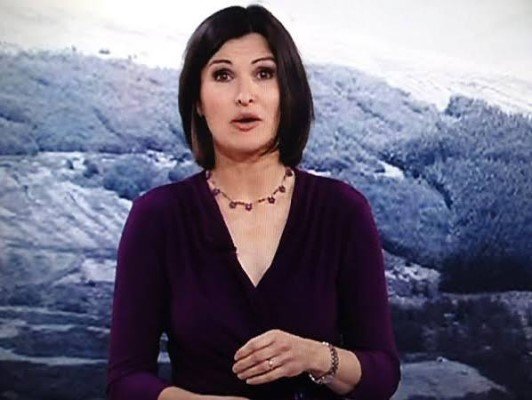
Helen Willetts is a respected British meteorologist and BBC weather presenter. She has spent many years explaining changing weather conditions to television and radio audiences across the United Kingdom. Her calm style, strong science background and clear language have made her a familiar and trusted figure in weather broadcasting.
Born in Chester and educated in North Wales, Helen Willetts built her career through hard work, academic success and professional training. Before becoming widely known on BBC Weather, she also achieved success as a badminton player and represented Wales internationally. Her journey shows how science, sport and communication can shape a strong career.
Helen Willetts Early Life and Welsh Education
Helen Willetts was born in Chester, England, and spent important years of her childhood in Colwyn Bay, North Wales. She attended Pendorlan Primary School before moving to Eirias High School. Her time in Wales gave her a strong connection with the country, its communities and its sporting life.
At school, she showed talent in two key areas: science and badminton. These interests later became major parts of her life. Science led her into meteorology, while badminton gave her experience of competition, focus and discipline.
Helen Willetts at Eirias High School
Helen Willetts studied at Eirias High School in Colwyn Bay. During her school years, she took part in badminton competitions and became one of Wales’s strongest young players. She was part of the school badminton team and won tournaments through skill and determination.
Her school years also helped her develop confidence. Working hard in lessons while training for sport requires good time management. These habits helped prepare her for the demanding world of weather forecasting and live broadcasting.
Science Creates a Strong Foundation
Physics became an important subject for Helen Willetts. Weather forecasting depends on science because it involves air pressure, clouds, rainfall, wind, temperature and the movement of weather systems.
A good weather presenter needs more than a friendly voice or a clear screen presence. They need to understand the science behind the forecast. Helen Willetts gained this knowledge before beginning her career in broadcasting.
Helen Willetts and Her University Achievement
After leaving school, Helen Willetts studied Physics at the University of Nottingham. She graduated in 1993 with first-class honours. This was an excellent achievement in a difficult subject.
Physics is useful for weather work because it explains how heat, energy and air movement affect the atmosphere. It also helps forecasters understand why storms form, why temperatures rise or fall, and how weather systems travel across the country.
Why Physics Supports Weather Forecasting
Meteorology is the study of the atmosphere and weather. It brings together physics, maths, geography and computer data. Forecasters use this knowledge to study the conditions that may affect the public.
For example, changes in air pressure can bring wind and rain. Cold air moving across warmer water can create showers. Warm weather can build when high pressure stays in place. A weather presenter must understand these patterns before explaining them on television.
Helen Willetts used her university education as a starting point for her professional path. Her degree gave her the skills needed to train as a weather forecaster.
Helen Willetts Joins the Met Office
In February 1994, Helen Willetts joined the Met Office. She began training as a weather forecaster and completed a five-month course. This gave her practical knowledge of forecasting systems and weather charts.
The Met Office is Britain’s national weather service. Its forecasters study satellite images, radar, weather maps and computer models. They use these tools to predict rain, wind, snow, sunshine and other conditions.
Helen Willetts Learns Professional Forecasting
Weather forecasting requires care and accuracy. A forecast may help people plan travel, outdoor work, sport, farming or family events. During severe weather, forecasts can also help communities prepare for strong winds, heavy rain, ice or heat.
Helen Willetts learned how to turn complex weather data into useful advice. This skill became central to her broadcasting career. Her role was not only to understand the forecast but also to explain it in a way that everyday viewers could follow.
Helen Willetts Moves to Cardiff
In July 1994, Helen Willetts moved to the Weather Centre in Cardiff. By 1995, she was working as a forecaster for BBC television and radio in Wales.
This was an important step. It gave her live broadcasting experience and helped her develop a confident presenting style. Speaking on television requires clear words, calm delivery and the ability to deal with changing weather conditions at short notice.
Helen Willetts Builds Her BBC Weather Career
In 1997, Helen Willetts moved to the BBC Weather Centre in London to work with BBC News. This move brought her work to a wider national audience.
She has delivered weather forecasts across BBC television and radio services. Her work has included BBC News, BBC World News, BBC Radio 2, BBC Radio 4 and BBC Radio 5 Live. She has also presented forecasts for major BBC news programmes.
Helen Willetts and Clear Weather Communication
Helen Willetts is known for using clear and steady language. Weather can be complicated, especially when a forecast includes low pressure, fronts, strong winds or changing temperatures. Her job is to make these subjects easier to understand.
A strong forecast gives people useful answers. Will it rain? Will roads be icy? Will there be strong winds near the coast? Will the weekend be warm or unsettled? Helen Willetts helps viewers make sense of these questions.
She also explains weather maps in a calm way. This is valuable during difficult conditions, when people want guidance without confusion or drama.
Modern Weather Maps and Forecast Tools
Weather forecasting has changed greatly during Helen Willetts’s career. Meteorologists now use powerful computers, detailed radar systems, satellite pictures and advanced weather models.
These tools can show storms, rain bands and temperature changes with more detail than before. However, technology still needs trained forecasters who can study the data carefully and explain what it means for the public.
Helen Willetts has spoken about the changing weather map and the progress of forecasting systems over time. Her career has followed this major change in weather broadcasting.
Helen Willetts Wins the TRIC Award
In 2006, Helen Willetts received the Television and Radio Industries Club award for Best TV Weather Presenter. This was an important moment in her career.
The award recognised her skill as a broadcaster and her contribution to British television. It also showed the value of weather presenters who combine scientific knowledge with a clear, friendly style.
Helen Willetts Earns Industry Respect
Receiving the TRIC award showed that Helen Willetts had earned respect within the broadcasting industry. Awards do not create a career by themselves, but they can reflect years of dedication and professional work.
By 2006, she had already gained experience in Wales and London. She had worked with the Met Office, appeared on BBC platforms and developed a strong reputation as a weather presenter.
Her success also showed that weather broadcasting is a serious role. Viewers need forecasts they can trust, especially when conditions may affect travel, safety or daily plans.
Helen Willetts and International Badminton
Before becoming a well-known weather broadcaster, Helen Willetts had a strong record in badminton. She played for Wales at international level and was highly ranked during her younger years.
Badminton requires speed, fitness, concentration and quick thinking. Players must make decisions in seconds and stay focused during long matches. These skills can also help in live television, where presenters need to stay calm and prepared.
Helen Willetts Represents Wales
Helen Willetts developed her badminton ability during her school years. Her work on the court helped her become one of Wales’s strongest young players.
Representing Wales was a proud sporting achievement. It showed that she had the commitment needed to compete at a high level. Sport also teaches people how to handle pressure, accept challenges and keep improving.
Lessons From Sport and Science
Helen Willetts has had success in both science and sport. These two parts of her life may seem different, but they share important qualities. Both need discipline, patience, practice and confidence.
Physics required careful study. Badminton required regular training. Weather broadcasting required strong communication. Together, these skills helped shape her long and successful career.
Why Helen Willetts Remains Respected
Helen Willetts remains respected because she has built her career on knowledge and trust. She understands the science behind the weather, but she also knows how to explain it in simple language.
Her work matters because weather affects daily life. People check forecasts before travelling, going to work, planning holidays or spending time outdoors. A clear forecast can help people make better decisions.
Helen Willetts as a Role Model
Helen Willetts is a good example for young people who enjoy science, sport or media work. Her career shows that strong education can lead to exciting opportunities.
She did not begin as a television personality. She studied physics, trained with the Met Office and gained experience in regional broadcasting. Her success came through steady effort and professional growth.
Conclusion
Helen Willetts is much more than a familiar face on a weather screen. She is a trained meteorologist, a first-class Physics graduate, an experienced BBC broadcaster and a former international badminton player for Wales.
Her journey from North Wales to BBC Weather in London is a story of skill, hard work and commitment. Helen Willetts continues to show why trusted weather presenters are important. She brings science, calm communication and practical advice to millions of people across the United Kingdom.