Patrick Grant: The British Fashion Leader Changing How Britain Thinks About Clothes
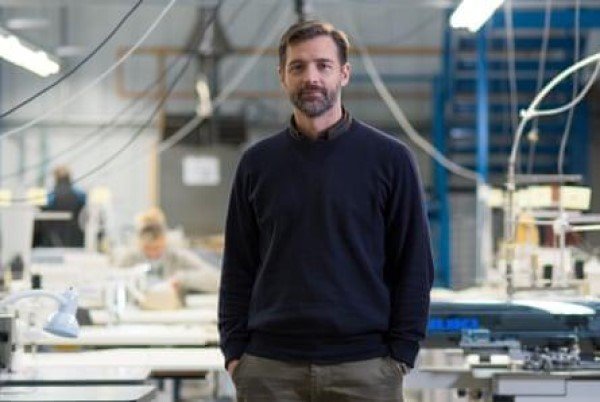
Patrick Grant is a Scottish designer, entrepreneur, author and television judge whose career links traditional tailoring with a practical message: buy fewer things, value skilled work and make goods that last. Best known from The Great British Sewing Bee, he has also revived heritage businesses, supported British factories and challenged the waste created by fast fashion.
Born in Edinburgh in 1972, Grant built his reputation through business skill, creative judgement and respect for craft. From Savile Row to Lancashire factories, his projects focus on the people, materials and knowledge behind well-made clothes. This has made him one of Britain’s strongest voices for responsible manufacturing.
Table of Contents
TogglePatrick Grant’s Early Life and Education
Grant grew up in Edinburgh and spent part of his school years in the city before attending Barnard Castle School. Rugby was important in his early life, and he represented Scotland at under-18 and under-19 level. A shoulder injury ended his hopes of going further in the sport, but the discipline and teamwork he learned remained valuable in his later career.
A Scientific Route into Clothing
Rather than following a conventional fashion route, Grant studied Materials Science and Engineering at the University of Leeds. This gave him a close interest in how objects are made, how materials perform and why quality matters. He later completed an MBA at the University of Oxford. The combination of science, business and design became a major strength in his working life.
Before entering clothing, he worked in manufacturing, marketing and technology. These roles gave him an understanding of supply chains, factory operations and business recovery. That knowledge proved useful when he later took on historic companies facing commercial challenges.
Patrick Grant and the Move to Savile Row
In 2005, while completing his MBA, Grant bought Norton & Sons, a long-established Savile Row bespoke tailor. The company had a respected name but needed fresh direction. He focused on its tailoring heritage, strengthened the business and brought fresh energy to the brand.
Norton & Sons gave him a direct view of the skill behind bespoke clothing. A tailored garment depends on precise cutting, fitting, pressing and hand finishing. Grant became known for defending this level of care while much of the clothing market moved towards lower prices and shorter product life.
Patrick Grant’s Work with E. Tautz
Grant later revived E. Tautz, a historic British label connected to Norton & Sons. He reshaped it as a modern menswear brand while keeping its roots in sporting, military and tailored clothing. The collections combined traditional fabrics and practical shapes with a relaxed, contemporary feel.
Recognition in British Menswear
His work at E. Tautz gained industry recognition. In 2010, he won the British Fashion Council’s Menswear Designer of the Year award. The prize recognised his ability to make heritage clothing feel current without losing its character.
The brand helped shift the view of British menswear. Instead of chasing quick trends, Grant promoted clothes with purpose. Roomy coats, strong trousers, practical outerwear and careful tailoring became part of the E. Tautz identity. His work showed that good style can be comfortable, useful and designed for long wear.
Patrick Grant and Community Clothing
A defining stage of Grant’s career came in 2015 when he bought Cookson & Clegg, a historic clothing manufacturer in Blackburn, Lancashire. The factory faced closure. Saving it led to a bigger idea: build a business that gives British factories steadier work rather than relying only on short seasonal orders.
Building Clothes and Supporting Jobs
In 2016, he founded Community Clothing. The company makes everyday garments in the United Kingdom through British mills and factories. Its aim is to produce quality clothes at fair prices while helping skilled workers and manufacturing towns stay active.
Community Clothing does not depend on fast-changing seasonal fashion. It concentrates on staple pieces such as knitwear, trousers, shirts, socks and outerwear. Regular production of these items can help factories plan work more steadily. The model also brings attention to where garments come from and who makes them.
Why the Community Clothing Model Matters
Grant argues that the real price of cheap fashion is often hidden. Low prices can rely on poor materials, low-paid labour, wasted stock and long supply chains. His alternative is not about telling people to spend carelessly. It is about choosing fewer items, repairing what can be repaired and keeping useful clothes in use for longer.
This message connects economic and environmental concerns. Regular orders help preserve valuable skills. Well-made clothes may be worn for years. When fewer garments are thrown away, waste falls. Grant’s work shows that sustainability is not only about fabric; it also involves jobs, communities and everyday behaviour.
Patrick Grant on The Great British Sewing Bee
Television brought Grant to a wider audience. He has been a judge on The Great British Sewing Bee since the programme began in 2013. Alongside fellow judge Esme Young, he assesses amateur sewers as they complete pattern, transformation and made-to-measure challenges.
A Calm and Practical Television Presence
Grant’s manner is measured, direct and encouraging. He focuses on fit, construction, finish and the purpose of each garment. His comments explain technical details in clear language, helping viewers understand the standards used in professional clothing.
The programme has also increased interest in making, altering and repairing clothes. These habits match Grant’s wider views. Someone who understands the time and skill needed to produce a jacket, dress or pair of trousers may value it more. The show therefore fits closely with his campaign for better clothing choices.
Patrick Grant’s Book: Less
In 2024, Grant published Less: Stop Buying So Much Rubbish: How Having Fewer, Better Things Can Make Us Happier. The book develops his argument against wasteful consumption. It covers clothes, household goods and the pressure to buy more than people need.
The Central Idea Behind Less
The book does not claim that possessions are bad. It asks people to think carefully about what they bring into their homes and why. Grant supports useful, well-made objects that can be repaired, shared or handed on. He challenges the belief that happiness comes from endless new purchases.
His argument matches his business work. Whether he is discussing a coat, a chair or a kitchen tool, the same principle applies: quality, usefulness and long life matter. This has made him a notable public voice in debates about fast fashion, waste and British manufacturing.
Patrick Grant’s Wider Influence and Honours
Grant’s influence now includes education and public service as well as clothing. In July 2025, he became Chancellor of Queen Margaret University in Edinburgh. The role reflects his links to the city and his interest in enterprise, education and communities.
He has received academic recognition for his work, including an honorary doctorate from Heriot-Watt University, an honorary fellowship from the University of Central Lancashire and an honorary professorship from Glasgow Caledonian University. He is also a Fellow of the Royal Society of Arts and supports education and craft initiatives through talks and charity work.
Why Patrick Grant Remains Important
Patrick Grant matters because he makes a strong case for clothing with substance. He respects Savile Row traditions without treating them as museum pieces. Instead, he uses them to ask practical questions: Who made this? Will it last? Can it be repaired? Does the price reflect the work involved?
His career shows that fashion can have a wider purpose. Through tailoring, television, manufacturing and writing, he has encouraged people to value skill over waste and quality over excess. For anyone interested in British style, sustainable production or stronger local industry, Grant offers a useful model built on care, knowledge and long-term thinking.
FAQs
1. Who is Patrick Grant?
Patrick Grant is a Scottish fashion designer, businessman, author and television judge. He is best known for appearing on The Great British Sewing Bee and for supporting British clothing factories.
2. Why is Patrick Grant famous?
Patrick Grant became well known through The Great British Sewing Bee. He is also respected for his work in tailoring, sustainable fashion and British manufacturing.
3. What is Community Clothing?
Community Clothing is a British clothing company founded by Patrick Grant. It works with UK factories and mills to make good-quality everyday clothes and support skilled workers.
4. What does Patrick Grant think about fast fashion?
Patrick Grant speaks against fast fashion because it can create waste and poor-quality clothing. He encourages people to buy fewer clothes, choose better items and wear them for longer.
5. Has Patrick Grant written a book?
Yes, Patrick Grant wrote Less: Stop Buying So Much Rubbish. The book explains why buying fewer and better-made things can help people, workers and the environment.