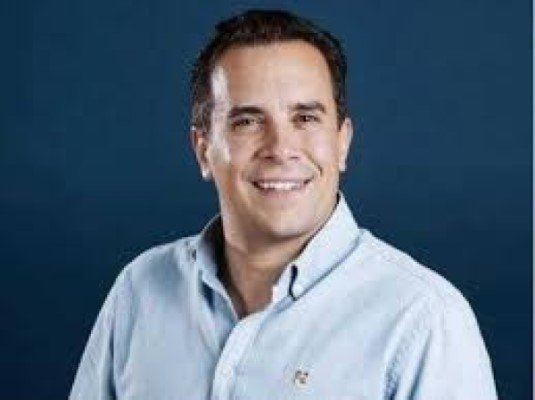
Richard Burke: Life, Career, and Legacy of a Notable Business Leader and Public Figure

Introduction to Richard Burke
The keyword richard burke refers to several individuals across business, politics, journalism, and history, but the most widely recognised figure in modern times is Richard T. Burke, an American entrepreneur and healthcare innovator. He is best known as the founder of one of the largest healthcare organisations in the world and for his influence on managed healthcare systems.
This article provides a comprehensive, SEO-optimised overview of Richard Burke, focusing mainly on his business achievements while also briefly touching on other notable individuals who share the same name. It aims to give readers a clear understanding of his background, career milestones, and long-lasting impact.
Early Life and Background of Richard Burke
Richard T. Burke was born in 1943 in the United States. From an early age, he showed strong interest in business, finance, and organisational systems. His academic background laid the foundation for his future success in healthcare administration and corporate leadership.
Education and Early Career Path
During his early years, Burke focused on developing skills in business management and healthcare systems. He pursued studies that allowed him to understand both economic structures and the growing demand for efficient healthcare delivery in America.
Before founding his own company, he worked in roles that exposed him to insurance models and healthcare administration. These experiences played a crucial role in shaping his vision for a more structured and scalable healthcare system.
Founding of UnitedHealth Group
One of the most important milestones in Richard Burke’s career was the creation of UnitedHealth Group, a company that would later become a global leader in healthcare services.
Vision Behind the Company
Richard Burke identified a major gap in the American healthcare system during the 1970s. Healthcare costs were rising rapidly, and access to quality medical services was inconsistent. He believed that a managed healthcare approach could improve efficiency while controlling costs.
His vision was to create a system that improved patient access to healthcare services, reduced unnecessary medical expenses, integrated insurance and healthcare providers, and used structured networks for better service delivery.
Establishment and Growth
UnitedHealth Group began as a small organisation but quickly expanded due to its innovative approach. Burke’s leadership helped the company develop strong operational frameworks and strategic partnerships.
Over time, the company evolved into one of the largest healthcare organisations globally, offering services that include insurance, health management, and healthcare technology solutions.
Richard Burke’s Contribution to Healthcare Innovation
Richard Burke is widely recognised for his role in shaping modern managed healthcare systems. His contributions influenced not only his company but also the wider healthcare industry.
Development of Managed Care Models
One of Burke’s key innovations was promoting the idea of Health Maintenance Organisations (HMOs). These systems focus on preventative care and cost control while ensuring patients receive necessary medical attention.
His work helped establish frameworks where patients receive coordinated care, medical costs are managed more efficiently, and insurance providers work closely with healthcare professionals.
Impact on the Industry
The introduction of these models transformed how healthcare services are delivered in the United States. Many organisations adopted similar systems, leading to a more structured and cost-effective healthcare environment.
Leadership Style and Business Strategy
Richard Burke is known for his strategic and forward-thinking leadership style. His approach focused on long-term growth, innovation, and system efficiency.
Key Leadership Traits
Some of his notable leadership characteristics include strong focus on operational efficiency, willingness to adopt new healthcare models, emphasis on scalability and growth, and strategic risk-taking in business expansion.
Business Expansion Philosophy
Burke believed that sustainable growth comes from combining innovation with structured management. Under his leadership, UnitedHealth Group expanded its services and strengthened its position in the healthcare industry.
Involvement in Professional Sports
Apart from healthcare, Richard Burke also made a mark in the world of professional sports.
Ownership of Hockey Teams
He was involved in the ownership of professional ice hockey franchises, including the Winnipeg Jets. His tenure in sports ownership demonstrated his diverse business interests beyond healthcare.
Relocation and Franchise Development
During his involvement, significant decisions were made regarding team relocation and restructuring. These decisions were part of broader business strategies aimed at improving franchise viability and financial stability.
Other Notable Individuals Named Richard Burke
The keyword richard burke is not exclusive to the healthcare entrepreneur. Several other individuals share the same name and have contributed to different fields.
Richard Edward Burke – Irish Politician
Richard Edward Burke was an Irish political figure associated with the Fine Gael party. He served in important governmental roles, including positions within European institutions.
Contributions
He served as a European Commissioner, held the position of Minister for Education in Ireland, and played a role in shaping European policy discussions during his tenure.
Richard Burke in Journalism and Literature
Another notable figure is Richard J. Burke, an American journalist and writer.
Career Highlights
He worked in radio, television, and print journalism, covered religious, political, and international affairs, and contributed creative works including poetry and plays. His work demonstrated versatility in media and communication fields.
Historical Figures Named Richard Burke
In Irish history, several nobles carried the name Richard Burke, particularly within the Clanricarde lineage.
Medieval Irish Nobility
Richard Óg Burke was a chieftain who died in the late 14th century, while Richard Mór Burke was a prominent leader in the 16th century. These figures played important roles in Irish regional governance and clan leadership during medieval times.
Legacy of Richard Burke in Modern Business
Richard T. Burke’s legacy is most strongly tied to the transformation of healthcare systems in the United States. His vision helped shape how insurance and healthcare providers operate today.
Long-Term Industry Impact
His contributions led to the widespread adoption of managed healthcare systems, increased focus on preventive medical care, integration of insurance with healthcare delivery, and growth of large-scale healthcare organisations.
Influence on Future Healthcare Models
Modern healthcare systems continue to evolve based on principles that Burke helped introduce. His influence is evident in how healthcare providers balance cost, efficiency, and patient care.
Public Perception and Recognition
Richard Burke is often recognised as a pioneering figure in healthcare management. However, like many influential business leaders, his methods and decisions have also been discussed and debated within industry circles.
Positive Recognition
He is viewed as an innovator in healthcare systems, credited with building a global healthcare organisation, and respected for strategic business thinking.
Industry Debate
Managed care systems have faced criticism regarding cost control measures. Some policies introduced under such models remain controversial in healthcare discussions.
Despite differing opinions, his influence on the industry is undeniable.
Conclusion
The name richard burke represents multiple individuals across different fields, but the most prominent is Richard T. Burke, the founder of UnitedHealth Group and a key figure in healthcare innovation. His work helped reshape the structure of modern healthcare delivery systems, influencing both insurance and medical service models.